Mosbolletjies: South African Grape and Aniseed Sweet Bread Recipe
Introduction
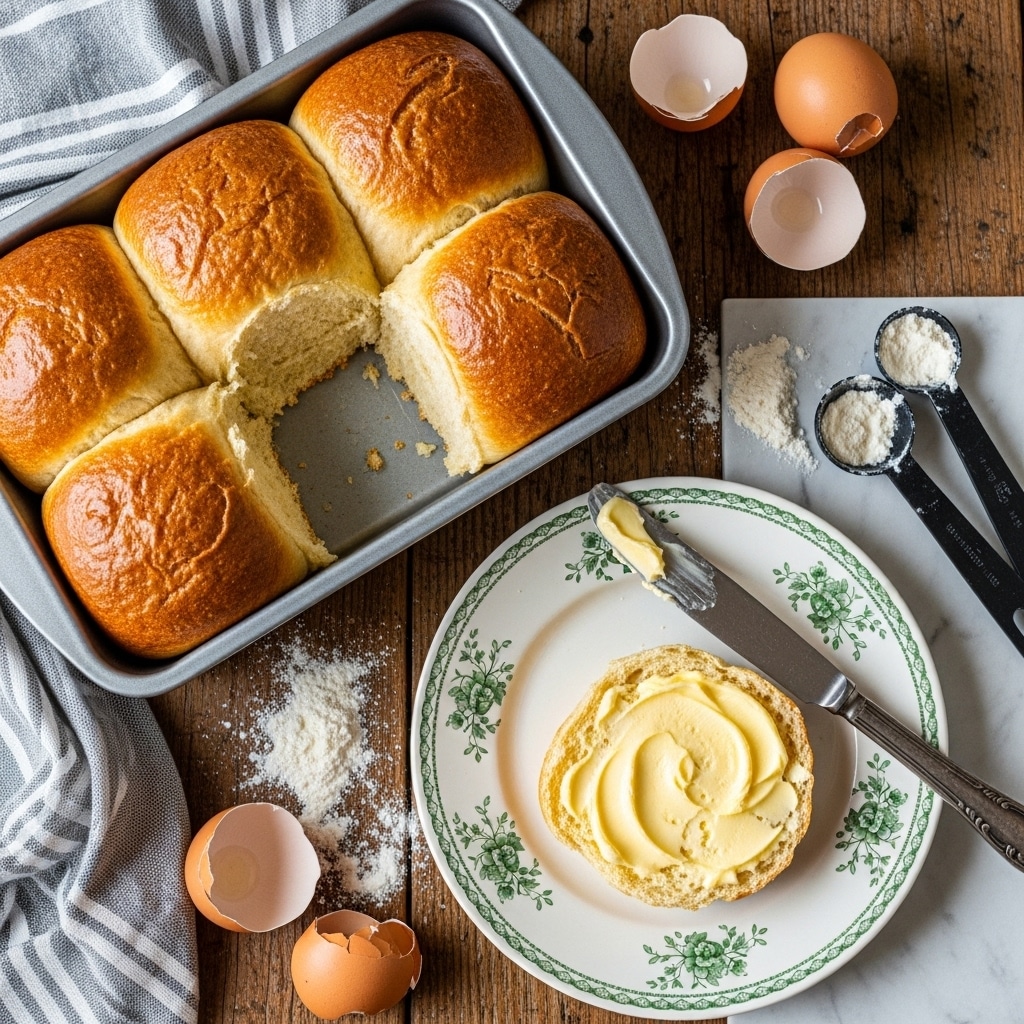
Mosbolletjies are soft, sweet South African bread rolls flavored with aniseed and made with a unique grape must starter. They have a light, fluffy texture and a lovely hint of sweetness, perfect for enjoying with butter or jam.
Ingredients
- 500 grams grapes
- 2 cups cake flour (for starter)
- 2.5 kilograms cake flour (for dough)
- 250 grams salted butter
- 2 1/2 cups granulated sugar
- 7.5 grams salt
- 15 grams aniseed
- 2 eggs
- Milk, as needed
Instructions
- Step 1: To make the starter, stir 2 cups of cake flour into the 500 grams of grapes until a lump-free paste forms.
- Step 2: Transfer the paste to a glass or plastic container, cover with clingfilm, and leave it in a warm spot to rise for 3 to 4 hours.
- Step 3: For the dough, combine 2.5 kilograms of cake flour, 2 1/2 cups granulated sugar, 7.5 grams salt, and 15 grams aniseed in a large bowl. Add the grape starter and warm water or milk enough to form a firm dough.
- Step 4: Place the dough in a large bowl, cover with clingfilm, and leave it in a warm place to rise for 4 to 5 hours or overnight.
- Step 5: Preheat the oven to 350°F (180°C).
- Step 6: Once risen, gently deflate the dough without kneading. Grease two to three loaf pans with some of the salted butter. With floured hands, shape the dough into small balls and arrange them in the pans.
- Step 7: Whisk together 2 eggs with a teaspoon of sugar and a little milk. Brush this mixture over the tops of the dough balls. Let the loaves rise for a few more minutes.
- Step 8: Bake the mosbolletjies for exactly 1 hour in the preheated oven.
- Step 9: Allow the loaves to cool slightly before turning them out. Enjoy warm with plenty of farm butter.
Tips & Variations
- Use fresh, ripe grapes for the best starter fermentation and flavor.
- If you don’t have cake flour, you can substitute with all-purpose flour but the texture may be slightly different.
- For a richer flavor, try adding a splash of vanilla extract to the dough.
- Aniseed can be adjusted to taste or substituted with fennel seeds for a similar aroma.
Storage
Store mosbolletjies in an airtight container at room temperature for up to 3 days. To keep longer, freeze the cooled loaves wrapped tightly in foil or plastic wrap. Reheat slices in a toaster or warm gently in the oven before serving.
How to Serve
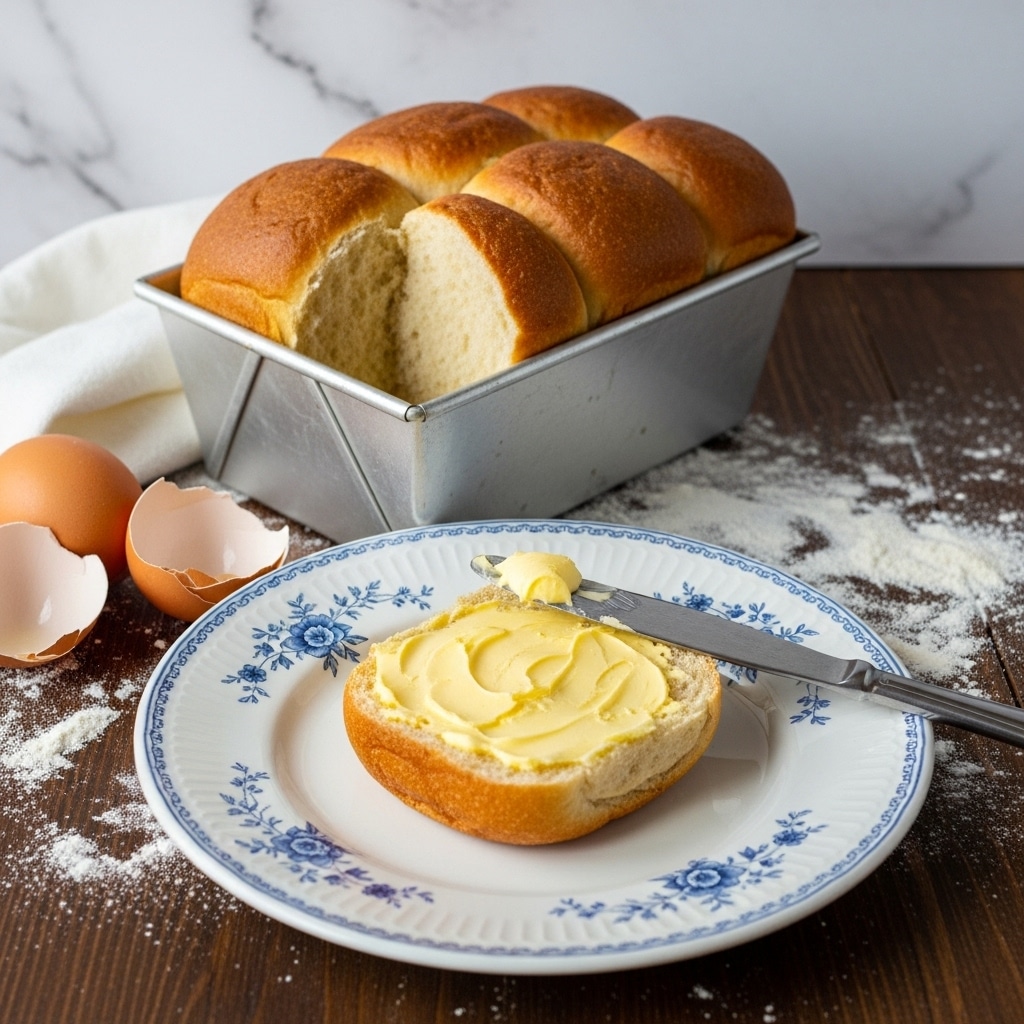
Serve this delicious recipe with your favorite sides.
FAQs
What is the purpose of the grape starter?
The grape starter uses natural yeast from the grapes to ferment the dough, giving mosbolletjies their unique light texture and subtle fruity flavor.
Can I make mosbolletjies without grapes?
The grape starter is traditional and key to the authentic flavor and rise, but if unavailable, you can try using a regular yeast starter. However, the taste and texture will differ from the classic version.
Print
Mosbolletjies: South African Grape and Aniseed Sweet Bread Recipe
- Total Time: 8 to 10 hours including rising times
- Yield: Two to three loaf pans of mosbolletjies (approximately 24–30 rolls) 1x
- Diet: Vegetarian
Description
Mosbolletjies are a traditional South African sweet bread, known for their soft, fluffy texture and distinct aniseed flavor. This recipe uses grapes to create a natural starter, resulting in a unique, lightly fermented dough that’s enriched with sugar and butter, then baked to golden perfection. Perfect served warm with butter, these bread rolls are a delightful treat for breakfast or tea time.
Ingredients
Starter
- 500 grams Grapes
- 2 cups Cake Flour
Dough
- 2.5 kilograms Cake Flour
- 2 1/2 cups Granulated Sugar
- 7.5 grams Salt
- 15 grams Aniseed
- Warm water or Milk as needed
- 250 grams Salted Butter (for greasing and dough enrichment)
- 2 Eggs
- Additional Milk (as needed for egg wash)
Instructions
- Prepare the starter: Stir 2 cups of cake flour into the 500 grams of grapes until you achieve a lump-free paste. Transfer this paste into a glass or plastic container, cover with clingfilm, and leave it in a warm spot for 3 to 4 hours to allow it to rise.
- Make the dough: In a large bowl, combine 2.5 kilograms of cake flour, 2 1/2 cups granulated sugar, 7.5 grams salt, and 15 grams aniseed. Add the risen grape starter along with enough warm water or milk to form a firm dough.
- First proofing: Place the dough in a large bowl, cover with clingfilm, and let it rise in a warm spot for 4 to 5 hours or overnight, allowing the dough to develop good volume.
- Preheat oven: Heat your oven to 350°F (180°C) to prepare for baking.
- Shape the rolls: Once the dough has risen, gently knock it down without kneading. Grease two to three loaf pans using the salted butter. With floured hands, divide the dough into small balls and arrange them in the greased loaf pans.
- Apply egg wash and final proof: In a small bowl, whisk the 2 eggs with a teaspoon of sugar and a little milk. Brush this mixture on top of the dough balls. Allow the loaves to rise a few minutes to puff up slightly before baking.
- Bake: Bake the mosbolletjies in the preheated oven for exactly 1 hour until golden brown and cooked through.
- Cool and serve: Let the loaves cool slightly, then turn them out of the pans. Serve warm with generous lashings of farm butter for the best experience.
Notes
- The use of grapes in the starter introduces natural yeasts, giving mosbolletjies their unique flavor and texture.
- Allowing long fermentation times (starter and dough rises) enhances the flavor and improves the bread’s crumb.
- Brushing the dough with egg wash helps achieve a beautifully shiny and golden crust.
- The aniseed provides a subtle licorice note distinctive to this South African bread.
- Use room temperature and fresh ingredients for best rising results.
- If you prefer, substitute milk with water for a slightly lighter bread.
- Prep Time: 15 minutes plus 3-4 hours for starter and 4-5 hours or overnight for dough rise
- Cook Time: 1 hour
- Category: Bread
- Method: Baking
- Cuisine: South African
Keywords: Mosbolletjies, South African bread, sweet bread, aniseed bread, homemade bread, grape starter, traditional bread, festive bread